Get
Direction
 Login



Affiliated to CBSE-3530165
 NH-74, Rudrapur Road, Kishanpur, Kichha, (U.S.Nagar) UK - 263148 Uttarakhand
Copyright © 2026. All rights reserved by,
Nalanda Sr. Sec School
Designed & Maintained by
PalmBoard
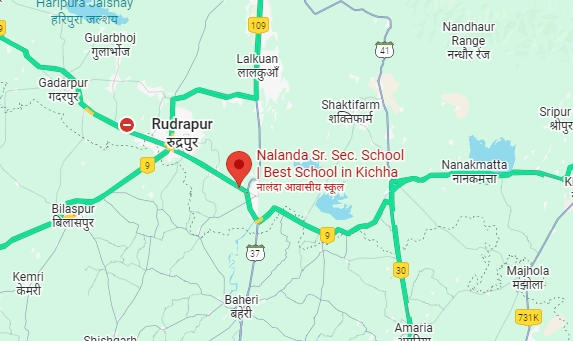
NH-74, Rudrapur Road, Kishanpur, Kichha, (U.S.Nagar) UK - 263148 Uttarakhand

Nalanda Sr. Sec School, Kichha, Uttarakhand, India
Ask a gardener when the most important work happens, and they won't point to the harvest. They’ll remember the soil, the first drops of water, and the gentle care that helped the seedling grow during its earliest weeks. A child's early school years work much the same way. The marks, the board exams, and the career choices all come later, but the roots that hold them up are put down early.
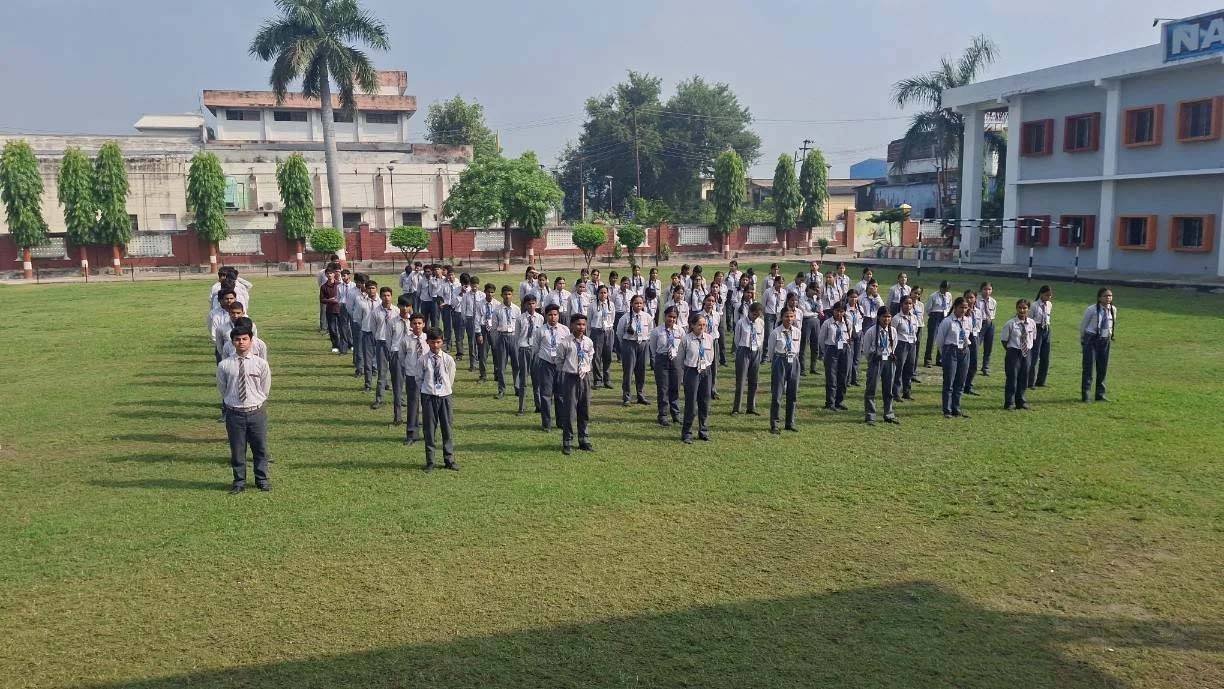
At Nalanda Sr. Sec. School, Kichha, we think of the early years as the foundation stage of a child's whole education, and here is why we take it so seriously.
In the first several years of life, a child's brain forms connections at a remarkable speed. Everything a child sees, hears, touches, and feels leaves a mark on how they will think and learn later. Language, curiosity, memory, and problem-solving are all being shaped during this window, which is why the quality of a child's surroundings matters so much. A classroom that is warm, stimulating, and patient helps those connections form well. One that is rushed or anxious can quietly hold them back.
Before a child learns any subject, they learn how they feel about learning itself. If early school is a place of discovery, where questions are welcomed and effort is noticed, a child comes to believe that learning is something enjoyable. If it becomes a place of pressure and comparison, that same child may start to dread it. Attitudes formed at six or seven often stay with a student for years, which makes the early classroom one of the most important places to get right.
A young child walking into school is often meeting a large group of unfamiliar children for the first time. Taking turns, sharing, apologizing, making friends, and resolving small disagreements are valuable social skills children practice every day during these formative years. They may look small, but they are the same abilities adults rely on in teamwork, friendships, and leadership. A child who learns early to listen and cooperate usually finds the road ahead much smoother.
A child who feels safe and cared for is ready to learn. A child who feels anxious or overlooked usually isn't, no matter how capable they are. In the early years, the relationship between a child and their teacher matters enormously. A teacher who notices a child’s silence, responds patiently to mistakes, and offers encouragement creates a safe and supportive environment where children feel confident to learn and grow.
Reading, writing, and number sense are the base on which nearly every later subject is built. A child who struggles with early reading can find science, social studies, and even math word problems harder years later. The same is true of basic number understanding. When these skills are built patiently and without hurry, through stories, play, activities, and practice, later learning has a firm base to rest on. Gaps left unnoticed in these years tend to grow quietly, which is why early attention pays off so well.
Early school years are when routines take shape: arriving prepared, keeping belongings in order, finishing a task, listening while someone speaks, and asking for help when needed. These habits are far easier to learn at a young age than to correct in a teenager. Children also copy what they see, so the discipline and kindness they observe in adults around them become a quiet part of their own character.
It is easy to assume that real learning only happens when a child is sitting still with a book. In reality, play is one of the most powerful ways young children learn. Building with blocks teaches early math and spatial thinking. Pretend play builds language and empathy. Group games teach rules, fairness, and patience. A good early classroom blends structured lessons with play, because a child who is enjoying themselves is usually a child who is absorbing more.
We believe a strong start is the best gift a school can give a child. Our focus in the early years is to make children feel safe, curious, and capable, with teachers who are patient and attentive, lessons that mix learning with activity, and a campus where children are comfortable being themselves. We want every child to leave these years not only with solid basics but with the quiet confidence that they can learn anything they set their mind to.
The early years of school are brief, but their effect is long. The attitudes, habits, friendships, and skills children develop during these early years become the foundation they carry into future classrooms and, ultimately, into adult life. It is about giving them the right conditions to grow well.
We would love for you to see how we work with young learners. Visit Nalanda Sr. Sec. School, Kichha, meet our teachers, and see how a good start takes shape.